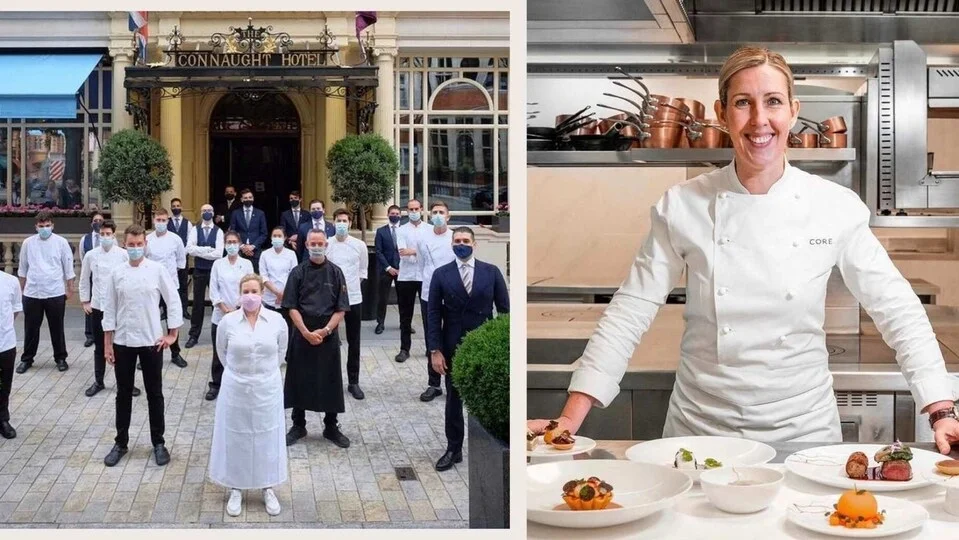
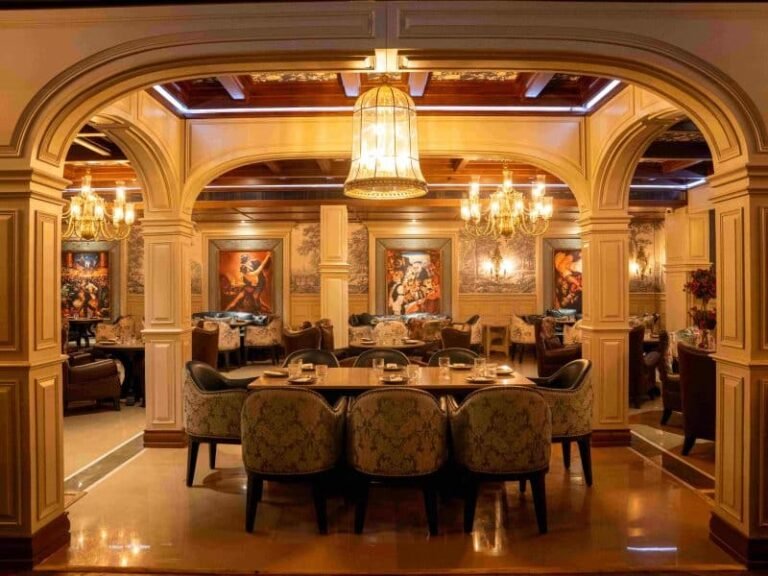
The United Kingdom’s fine dining landscape has entered one of its most challenging phases in recent years as several high-profile Michelin-recognized restaurants have announced closures despite strong reputations, critical acclaim and loyal customer followings. The development reflects growing financial pressures across the hospitality sector, particularly among premium dining establishments with high operating costs.
Multiple acclaimed chefs and restaurateurs have cited escalating expenses, staffing issues and reduced consumer spending capacity as major contributing factors behind the closures. Even restaurants led by well-known culinary personalities and award-winning chefs have found it increasingly difficult to balance artistic ambition with financial sustainability.
Industry analysts note that fine dining businesses have been especially vulnerable to rising food costs, mounting energy bills, real estate pressures and wage inflation. Unlike casual dining models, premium restaurants operate on smaller table volumes, longer service formats and higher overheads — conditions that make them more exposed to economic volatility.
Several chef-owners have openly expressed concerns about the widening gap between culinary excellence and economic feasibility. While demand continues to exist for premium dining experiences, many guests have become increasingly selective about frequency of visits and spending levels, leading to fluctuating revenues for high-end establishments.
Hospitality experts also point to challenges in workforce stability, as the industry faces shortages of trained staff willing to commit to long-hour kitchen environments. Retention investments, skill development needs and wage adjustments have added additional pressure to already-strained financial structures.
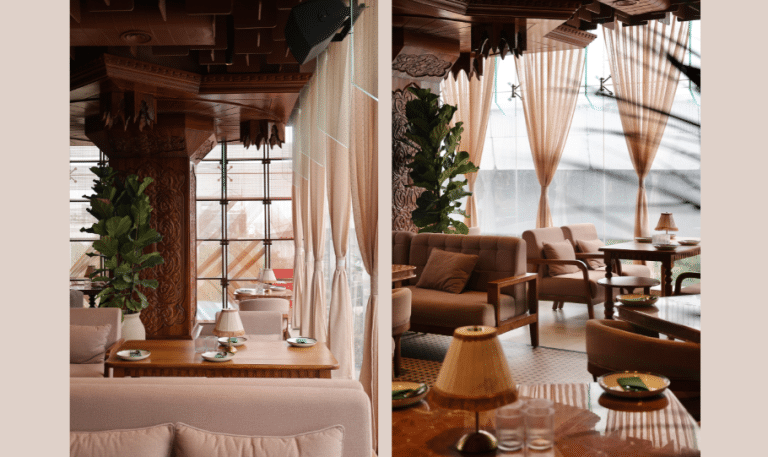
At the same time, broader consumer dining behavior has shifted toward innovative casual, experiential and value-driven models. Mid-scale premium bistros, fusion-inspired spaces and flexible dining venues are increasingly gaining momentum, often benefiting from lower operational risk and broader guest accessibility.
Despite current setbacks, many fine dining chefs are exploring adaptive strategies, including seasonal pop-ups, collaborative dining events, private tasting formats and hybrid culinary business models. Some industry voices believe this period of contraction may encourage more sustainable and experimental approaches to premium cuisine in the long term.
The closures serve as a defining moment for the UK hospitality sector, underscoring the need for structural resilience, policy support and innovative operating frameworks to sustain high-skill culinary craft in an evolving economic climate.