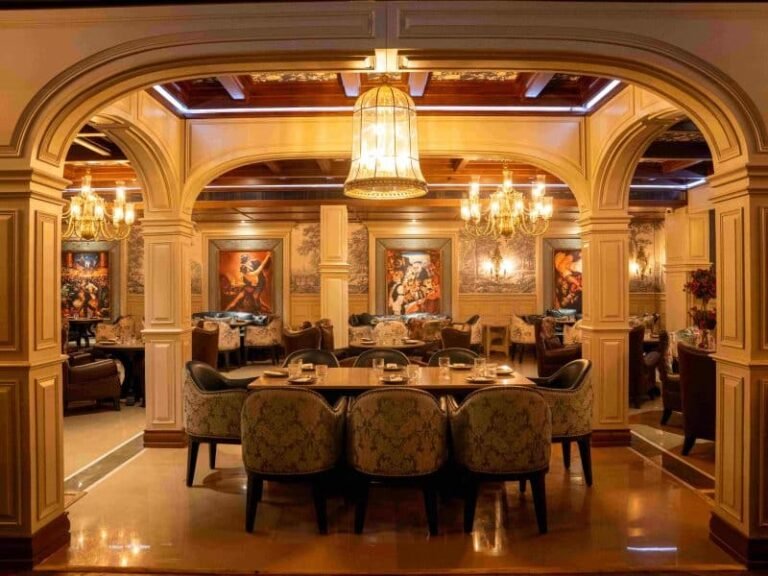
Boutique hotels across major urban and leisure destinations are increasingly investing in chef-led signature restaurants as part of a wider shift toward experience-centric hospitality. Instead of treating dining spaces as supporting amenities, many hotels are repositioning their restaurants as standalone culinary destinations that attract both guests and local diners.
This emerging trend reflects a renewed appreciation for the role of food, storytelling and social energy within the hotel environment. Hospitality leaders note that travelers today seek properties that offer cultural connection, culinary authenticity and meaningful local engagement, rather than standardized dining formats or generic menu offerings.
In several boutique properties, culinary programs are being entrusted to independent chefs, creative culinary duos and hospitality entrepreneurs known for distinctive food philosophy and regional inspiration. These partnerships allow hotels to build unique dining signatures while offering chefs greater creative freedom than conventional hotel dining models.
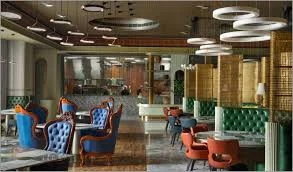
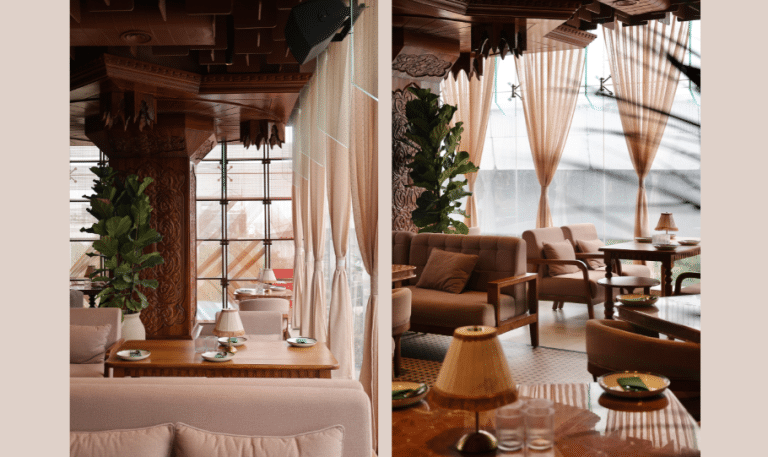
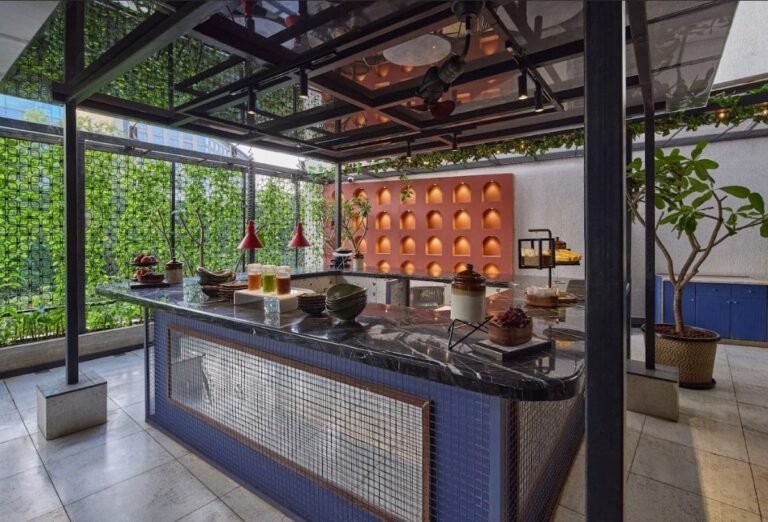
The design of hotel restaurants is also evolving to support this shift. Instead of traditional formal layouts, many spaces now feature warm lighting, relaxed interiors, open kitchens and flexible lounge-dining zones that encourage conversation and social atmosphere. The idea is to create environments where guests feel welcome to linger rather than simply complete a meal service.
Culinary direction across these hotels leans toward ingredient-driven menus, seasonal produce, artisanal sourcing and expressive plating styles. Menus are increasingly influenced by regional cuisines, local farmers and small producers, allowing guests to experience a sense of place through food.
Another defining aspect of this hospitality movement is the growing integration between local communities and hotel dining spaces. Many boutique hotels are now attracting neighborhood diners, creative professionals and social groups who visit primarily for the restaurant experience rather than accommodation, transforming hotels into active cultural hubs.
Industry analysts observe that this model benefits hotels in multiple ways. Strong culinary programs enhance brand identity, increase guest retention, improve revenue diversification and strengthen positioning within competitive urban hospitality markets.
At the same time, hotel teams are adapting service training around conversational hospitality, personalized dining interactions and intuitive guest engagement rather than scripted service routines. Staff are encouraged to interact as hosts, storytellers and cultural connectors.
Events and culinary collaborations have also become a growing part of boutique hotel dining programs. Pop-up dinners, themed tasting evenings, chef residencies and wine-pairing experiences help sustain ongoing guest curiosity and attract repeat visitors from the local dining community.
However, hospitality operators acknowledge that chef-driven hotel restaurants require thoughtful planning, operational discipline and long-term creative investment. Menu development, staffing consistency and supply chain quality remain essential factors in maintaining credibility and guest trust.
Despite operational challenges, the rising popularity of hotel-based signature restaurants signals a deeper shift in hospitality philosophy. Dining is no longer positioned as an add-on service, but as an emotional anchor that shapes overall guest memory.
Boutique hotel leaders increasingly believe that great hospitality begins not only in rooms or lobbies, but at the dining table , where atmosphere, flavor, warmth and conversation come together to define the essence of the stay experience.