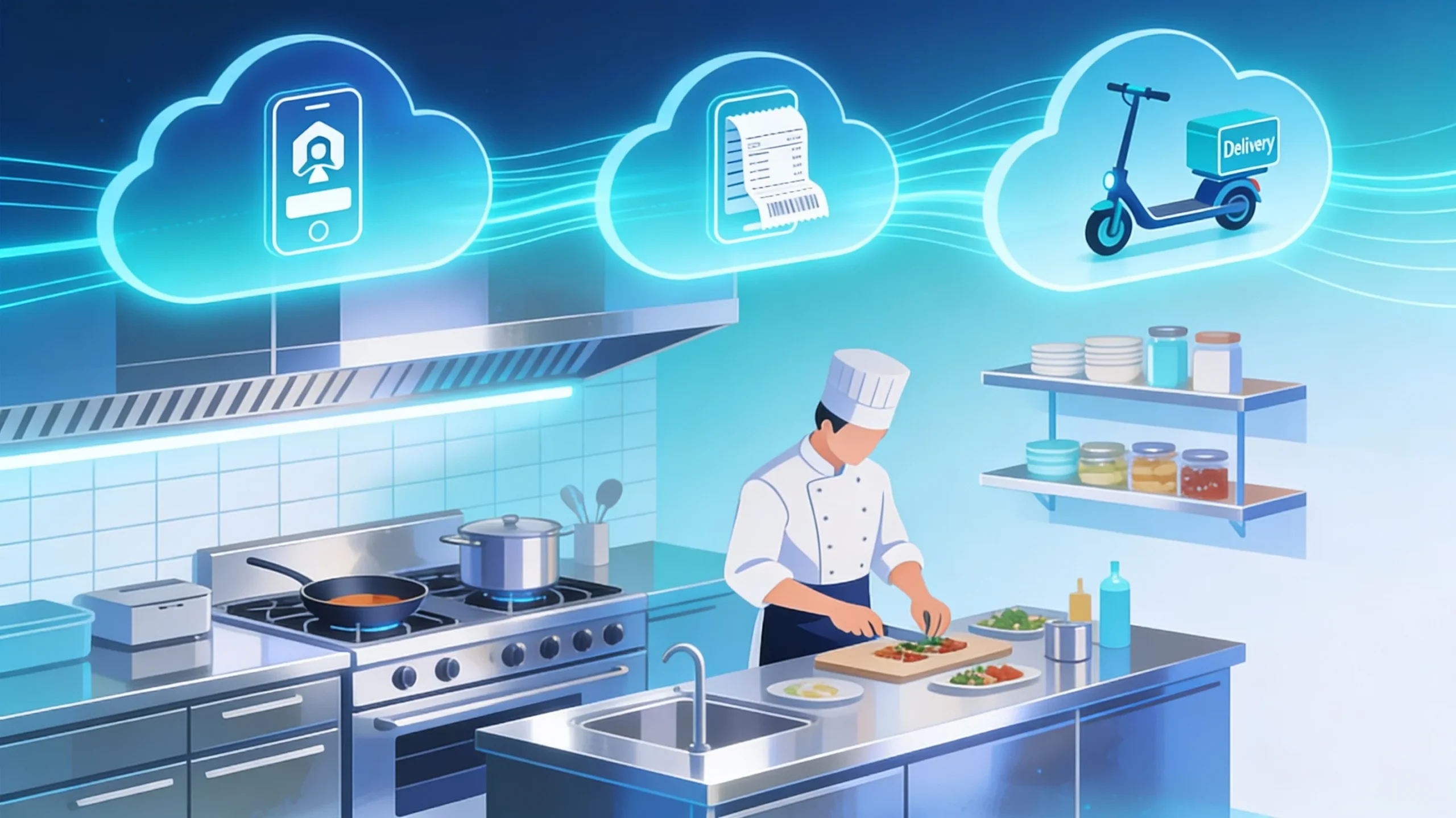
The tech-driven transformation in India’s food industry is gaining momentum as food businesses increasingly turn to technology to improve efficiency, reduce costs, and scale sustainably. After a brief slowdown, foodtech investment is gradually returning—particularly in areas such as AI-powered kitchen automation, robotics, and intelligent supply-chain platforms.
These technologies are no longer experimental. They are becoming essential tools for restaurants, cloud kitchens, and food brands navigating rising costs, changing consumer expectations, and intense competition.
Foodtech Investment Returns with a Focus on Efficiency
Recent foodtech investments are less about aggressive expansion and more about solving real operational challenges. Startups are building platforms that help food businesses optimize order forecasting, streamline kitchen workflows, minimize food wastage, and improve delivery timelines.
By using data-driven insights, restaurants can better predict demand, reduce overproduction, and improve margins. This shift highlights how the tech-driven transformation in India’s food industry is rooted in profitability and sustainability rather than growth at any cost.
Cloud Kitchens Shift to Profit-First Models
Cloud kitchens are evolving rapidly as operators move away from expansion-led strategies toward efficiency-focused business models. Instead of opening multiple locations quickly, cloud kitchen brands are investing in technology that improves unit economics.
Advanced analytics tools now help operators track ingredient usage, kitchen performance, and customer demand patterns in real time. This allows for tighter cost control, improved menu planning, and predictable profitability. The tech-driven transformation in India’s food industry is redefining how cloud kitchens measure success—from scale to sustainability.
AI Becomes the Key Differentiator
Artificial intelligence is emerging as the biggest differentiator in modern food businesses. From smart cooking systems that standardize quality to predictive purchasing tools that reduce inventory waste, AI is reshaping everyday operations.
AI-powered systems enable kitchens to automate repetitive tasks, optimize staffing, and improve consistency across locations. Predictive models also help businesses plan procurement more accurately, reducing losses caused by overstocking or supply-chain delays.
As adoption increases, the tech-driven transformation in India’s food industry is creating smarter, more resilient food businesses capable of adapting quickly to market changes.
The Road Ahead
This new phase marks the beginning of a more mature food ecosystem in India—one where innovation meets operational excellence. Technology is no longer just an enabler; it is becoming the backbone of modern food enterprises.
In the coming years, businesses that successfully embrace AI, automation, and data intelligence will be best positioned to thrive. The tech-driven transformation in India’s food industry is not just changing how food is prepared and delivered—it is redefining how food businesses grow, compete, and succeed.