2026 food and beverage industry trends are being shaped by a powerful contradiction in consumer behavior. On one side, shoppers are demanding cleaner labels, functional nutrition, and science-backed health benefits. On the other, they are actively craving indulgence, nostalgia, and playful experimentation. As the industry heads into 2026, success will depend on how well brands balance these opposing desires.
Major global players such as Nestlé, Campbell’s, Molson Coors, and Anheuser-Busch are already adjusting their strategies to serve a consumer who wants protein-rich, gut-friendly meals during the day—and bold, unconventional flavors by night.
2026 Food and Beverage Industry Trends: Functional Health Takes the Lead
One of the most defining 2026 food and beverage industry trends is the evolution of wellness from restriction to addition. Instead of simply avoiding sugar, gluten, or artificial ingredients, consumers now want foods and beverages that actively improve their health.
Protein remains the most valued functional ingredient, driven by its role in muscle health, satiety, and cognitive performance. High-protein snacks, beverages, and ready meals continue to dominate new product launches.
Fiber is quickly emerging as the next major focus area. Experts predict that fiber will play a central role in 2026, especially as GLP-1 weight-loss medications drive interest in gut health and digestive balance. More than half of global consumers now list gut health as a top priority, pushing brands to reformulate everyday products with added fiber and prebiotics.
Beyond protein and fiber, holistic energy solutions are gaining momentum. Brands are incorporating minerals, electrolytes, adaptogens, and functional blends designed to support energy throughout the day—from morning focus to better sleep at night.
2026 Food and Beverage Industry Trends: Bold Flavors and Wild Innovation
While health-forward products are growing, indulgence has not disappeared. In fact, another key 2026 food and beverage industry trend is the rise of bold flavors, unconventional formats, and unexpected collaborations.
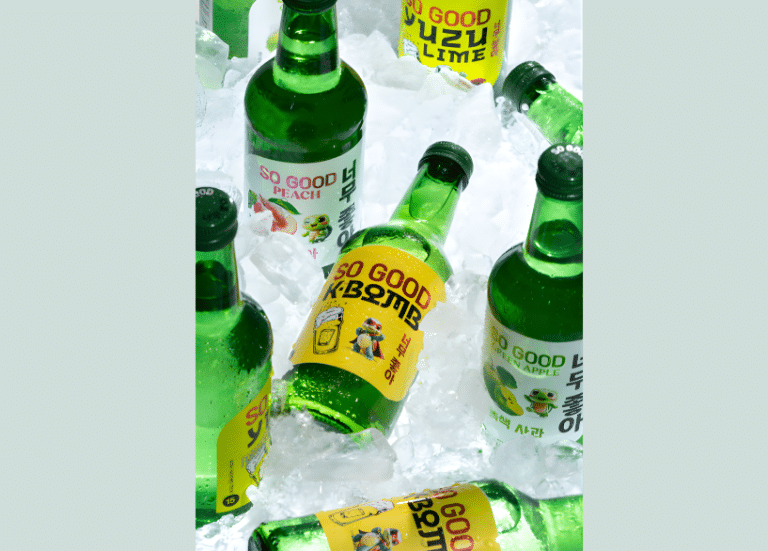
Gen Z and Millennials are actively seeking novelty. Traditional “safe” seasonal flavors are being replaced with experimental launches designed to surprise and entertain. Recent examples include pizzas with French-fry crusts, Thanksgiving-inspired toppings, and limited-edition mashups that blur category boundaries.
Brand collaborations are becoming more daring as well. Food companies are partnering with beer brands, fast-food chains, and snack manufacturers to create crossover products that generate buzz and social media engagement. These “odd-couple” collaborations are not just marketing stunts—they reflect a deeper desire for escapism and fun during uncertain economic times.
Beverage Innovation Beyond Alcohol and Sugar
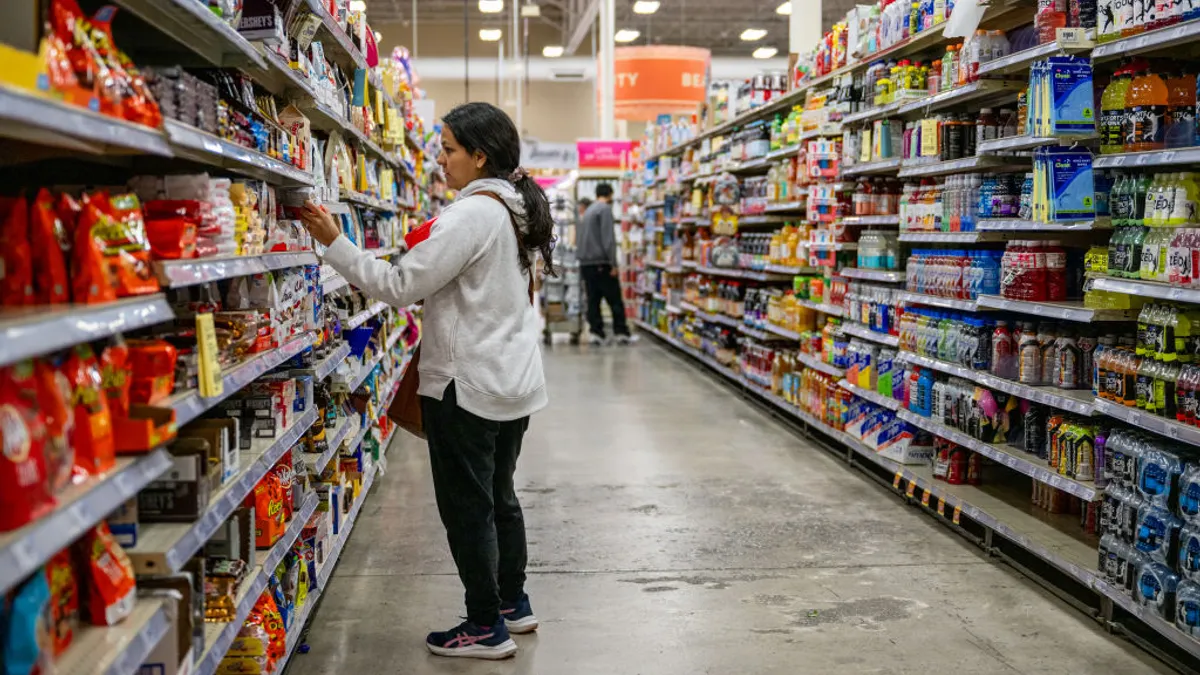
The beverage sector is undergoing one of the most dramatic transformations within 2026 food and beverage industry trends. Moderation is now a mainstream lifestyle choice, reshaping how consumers approach alcohol and sugary drinks.
Facing rising costs and changing social habits, major alcohol producers are expanding into non-alcoholic beers, energy drinks, and functional beverages. These products cater to consumers who still want social experiences without the effects of alcohol.
At the same time, traditional sodas are being reinvented. Many brands are adding prebiotics, fiber, and botanical ingredients to carbonated drinks while leaning into nostalgic flavors such as cherry, cola, and lemon-lime. This blend of function and familiarity allows beverages to remain a “small luxury” while aligning with health-conscious values.
Conscious Consumption and the Redefinition of Value
Another major driver of 2026 food and beverage industry trends is a shift in how consumers define value. Economic pressure, inflation, and sustainability concerns are changing purchasing behavior across markets.
Clean-label clarity is no longer optional. Shoppers are scrutinizing ingredient lists, sourcing methods, and production processes more closely than ever before. Products that appear less processed and more transparent are gaining trust.
Consumption occasions are also changing. Instead of large social gatherings or late-night dining, consumers are favoring smaller, at-home, and daytime eating occasions. This shift is influencing portion sizes, packaging formats, and product positioning across categories.
The Bottom Line
The brands that will win in 2026 are those that can be truly bilingual. They must speak the language of science-backed nutrition—protein, fiber, gut health, and functional benefits—while also delivering indulgence through bold flavors, nostalgia, and creative experimentation.
Ultimately, the most successful 2026 food and beverage industry trends will come from companies that understand consumers do not want to choose between health and pleasure. They want both—and they want it seamlessly integrated into everyday food and drink experiences.