Government policies supporting agricultural technology were seen as a key driver in strengthening food systems and improving farmer livelihoods. Experts said that in the coming years, policy frameworks around agri-tech would play a major role in boosting productivity, improving supply chains and ensuring long-term food security.
Agriculture has long remained a central pillar of many economies, providing livelihoods to millions while supporting national food supply. In recent years technological innovation in farming began transforming the sector, introducing tools such as precision farming systems, artificial intelligence driven advisory platforms, biotechnology solutions and digital agricultural marketplaces. These innovations have helped farmers make better decisions, increase yields and reduce resource wastage.
Governments across the world including India have started building policies aimed at encouraging the use of such technologies. A key area of focus has been the creation of digital infrastructure for agriculture. Initiatives such as digital land records, farmer databases and mobile advisory platforms allowed farmers to receive information about weather, crop diseases, fertiliser usage and market prices in real time. Public investment in rural internet connectivity also played an important role in enabling farmers to access these services.
Policy measures have also encouraged the growth of agri-tech startups. Innovation programmes, incubators and funding schemes have been introduced to support entrepreneurs developing solutions for agriculture. Grants, tax incentives and concessional loans helped lower entry barriers for new companies working in areas such as farm management software, crop monitoring tools and digital supply chains.
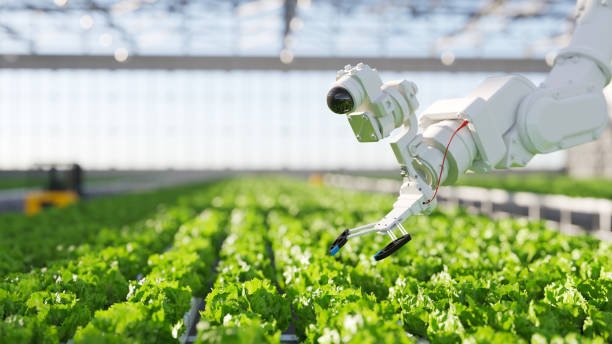
Another important focus area has been farm mechanisation and precision agriculture. Subsidies and pilot programmes for drones, sensors, irrigation technologies and advanced machinery have enabled farmers to adopt tools that improve efficiency and reduce labour dependence. Training programmes and extension services have also been strengthened so farmers can understand how to use new technologies effectively.
Technology is also playing a growing role in improving agricultural supply chains. Digital marketplaces and logistics platforms have helped farmers reach wider markets and achieve better price discovery. Investments in cold storage infrastructure and technology enabled monitoring systems have further helped reduce post harvest losses and improve food distribution.
Despite the progress, experts pointed out that several challenges still remain. Limited digital literacy, infrastructure gaps and affordability issues continue to slow technology adoption among small farmers. Data privacy and governance also emerged as important concerns as agriculture becomes increasingly digitised.
Even with these challenges, policymakers believe that agri-tech will become central to building a resilient food system. Strong collaboration between governments, technology companies and research institutions is expected to accelerate innovation and make agriculture more productive and sustainable in the years ahead.
Food security refers to ensuring that people always have access to sufficient and nutritious food for a healthy life, making agricultural productivity and efficient supply chains critical for national stability.