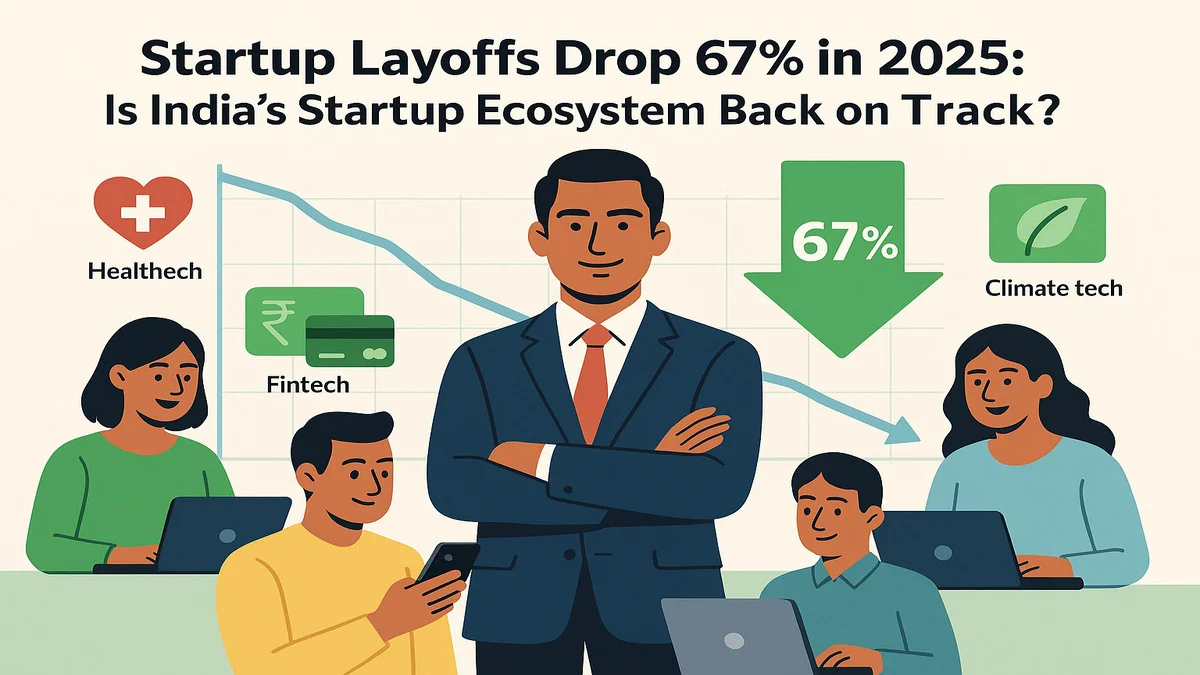
India startup closures 2025 declined compared to the previous year, signaling a growing sense of stability and financial discipline across the startup ecosystem. Fewer shutdowns suggest that founders are becoming more cautious, focused, and resilient in how they build and scale businesses.
However, the closure of well-known brands such as Dunzo also serves as a reminder that visibility and scale alone are not enough. Long-term sustainability is becoming the true benchmark for survival.
What India Startup Closures 2025 Mean for Food & D2C Founders
The data behind India startup closures 2025 highlights a clear shift in investor expectations—particularly for food and D2C businesses. Capital-intensive models with high burn rates are increasingly seen as risky, especially in categories where margins are thin and competition is intense.
Investors are now prioritising startups that demonstrate:
- Strong and predictable cash flow
- Repeat purchase behaviour
- Realistic and phased expansion plans
- High customer retention and loyalty
Food and D2C brands with stable unit economics and recurring demand are far better positioned to withstand market pressure in 2025 and beyond.
Sustainable Growth Replaces Hype-Led Scaling
One of the most important lessons from India startup closures 2025 is the gradual move away from hype-driven growth. Founders are shifting focus from vanity metrics such as rapid expansion and high valuations to measurable business fundamentals.
This includes tighter cost controls, disciplined hiring, and clearer paths to profitability. Startups that grow steadily—rather than aggressively—are proving more resilient in a challenging funding environment.
A Healthier Direction for the Startup Ecosystem
The broader implication of India startup closures 2025 is a maturing ecosystem. Fewer closures do not indicate reduced ambition, but rather smarter execution. Founders are learning to balance growth with sustainability, and investors are rewarding businesses that demonstrate long-term viability.
The Bottom Line
India startup closures 2025 mark a turning point for the ecosystem. The new rule is clear: grow smart, manage capital responsibly, and build businesses grounded in real consumer demand. For food and D2C founders in particular, sustainable margins and loyal customers are no longer optional—they are essential for survival and success.