The economic ripple effects of the Iran-US conflict are now hitting far beyond energy markets — and are being felt right at the level of India’s kitchens and eateries. What began as disruptions in crude and fuel supplies has slowly deepened into a supply squeeze that’s making food preparation and beverage production far more challenging for restaurants, street vendors and small food businesses.
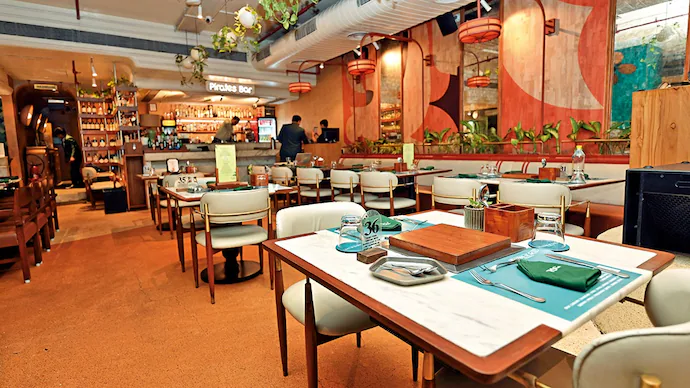
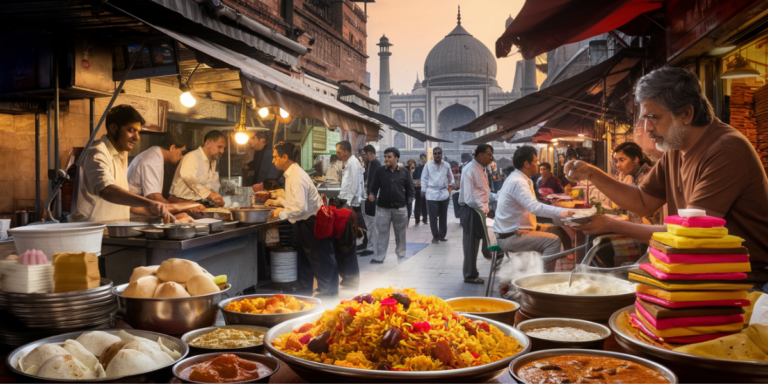
One of the most immediate shocks has been the commercial LPG shortage, as lower imports and strained supply lines have pushed cooking fuel availability to historic lows. This has forced larger restaurants and countless roadside dhabas and hawkers — whose businesses depend on constant fuel supply — to rethink their cooking methods or delay services, often leading to quieter dining floors even in busy urban zones.
Meanwhile, related industries are starting to feel the strain. India’s brewers — from major brands to local craft producers — have warned of bottle and can shortages because natural gas and other feedstocks needed for manufacturing glass and metal packaging are becoming scarce or costlier due to war-related disruptions. These shortages threaten not just alcoholic beverages but also carbonated drinks and bottled water supplies.
The war’s influence is not confined to F&B alone. With fertilizer exports restricted and energy prices elevated, global food-price inflation is rising and fertilizer shortages are threatening agricultural output, which could boost basic food costs over the next year if not checked.
This chain reaction — from fuel bottlenecks at kitchens to packaging slowdowns and rising input costs — is reshaping India’s food and beverage landscape. What was once a distant geopolitical conflict has now translated into an “empty feeling” on plates, menus and production lines across the country.